
History is the study of human experience across time, examining events, processes, institutions, communities, ideas, conflicts, transformations, and continuities through which societies and civilizations have evolved. It seeks not merely to reconstruct what happened, but to understand why change occurred, how societies remembered their past, and how historical experiences shaped their institutions and collective identities. An Indic approach to History further engages with Itihasa, Purana, Vanshavali, inscriptions, oral traditions, literary sources, material remains, and living memory, exploring the past through Bharatiya understandings of time, continuity, civilization, and historical consciousness.
History
Interrogating History
1. What exactly are we teaching as “History” today? Syllabus and analysis of school-level History and Social Studies, BA/MA History, major periods, themes and subfields of historical study
2. Whose theories and frameworks are we using to understand the past? Indian Historiographical Theories and Frameworks, Western Historiographical Theories and Frameworks
3. Whose historians and thinkers are we reading? Indic Historians and Thinkers, Westernized Historians and Thinkers
4. What are the sources of our historical knowledge? Indian Sources of Historical Knowledge, Western Sources of Historical Knowledge
5. Whose past and historical experiences are we studying? Indian Historical, Cultural and Civilizational Experiences, Western Historical and Social Experiences
6. How are we studying and interpreting the past? Indian Approaches to Understanding History, Western Historiographical Methods and Approaches
Decolonizing History
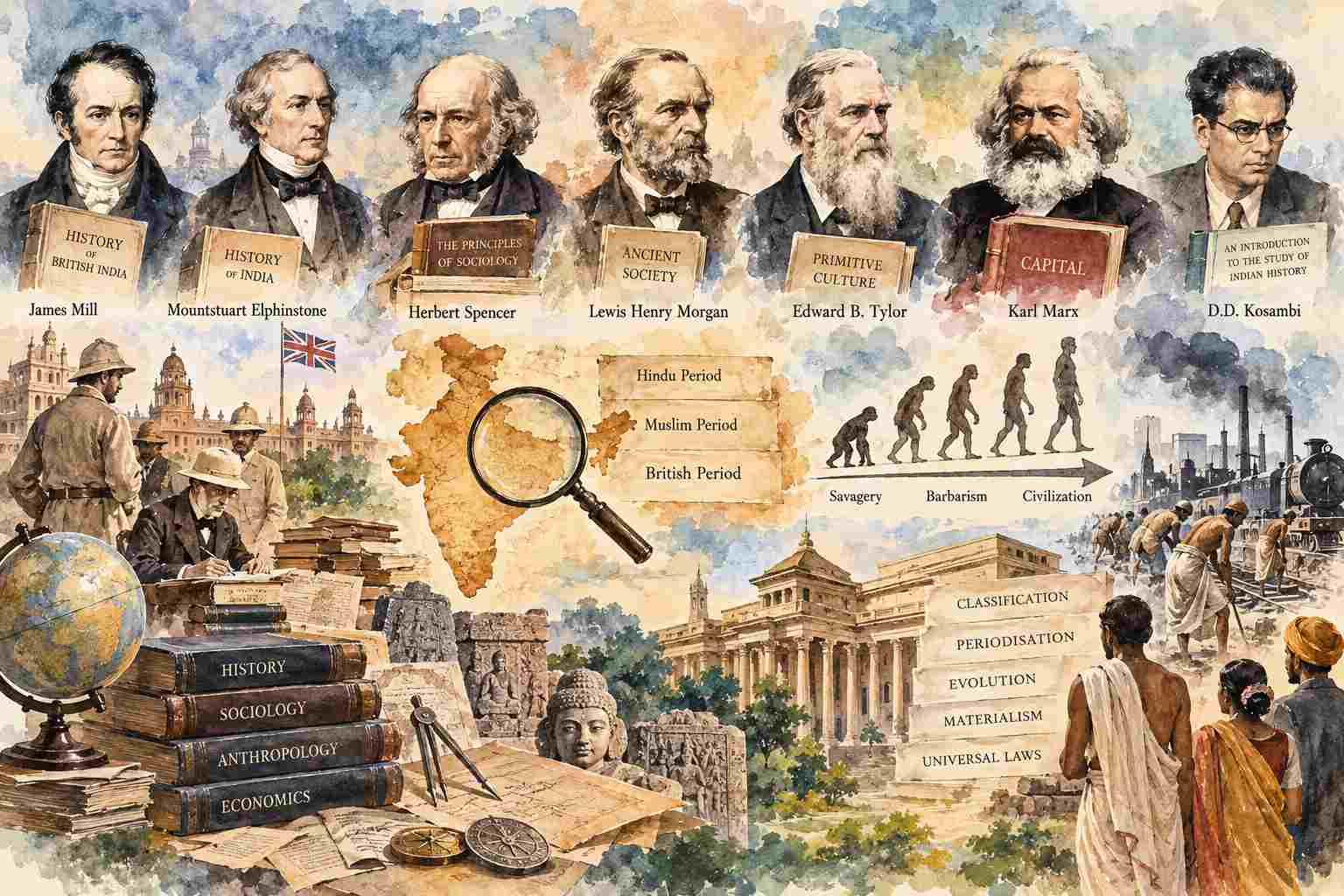
Westernized Historians and Thinkers
Westernized Historians and Thinkers
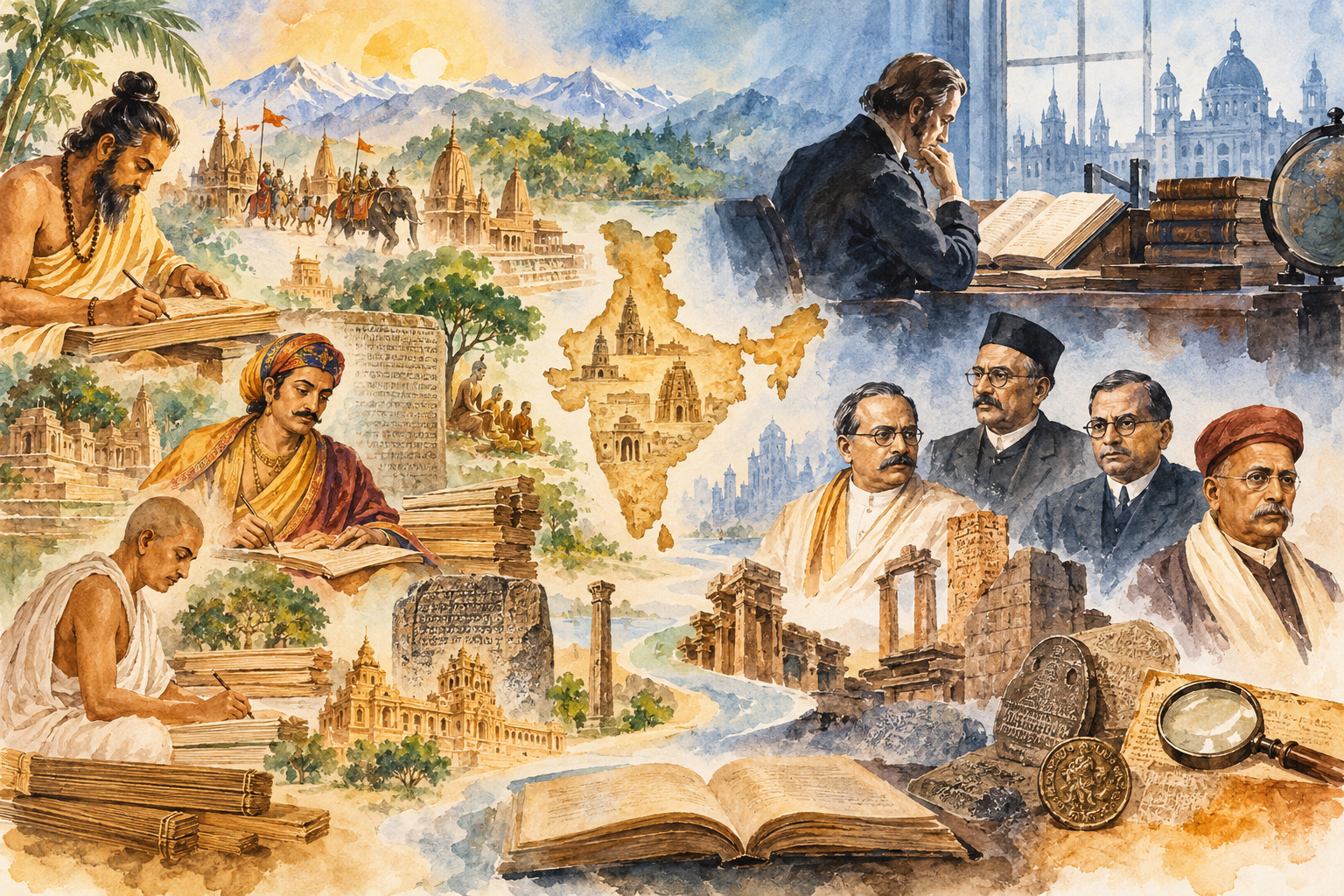
Indic Historians and Thinkers
Indic Historians and Thinkers
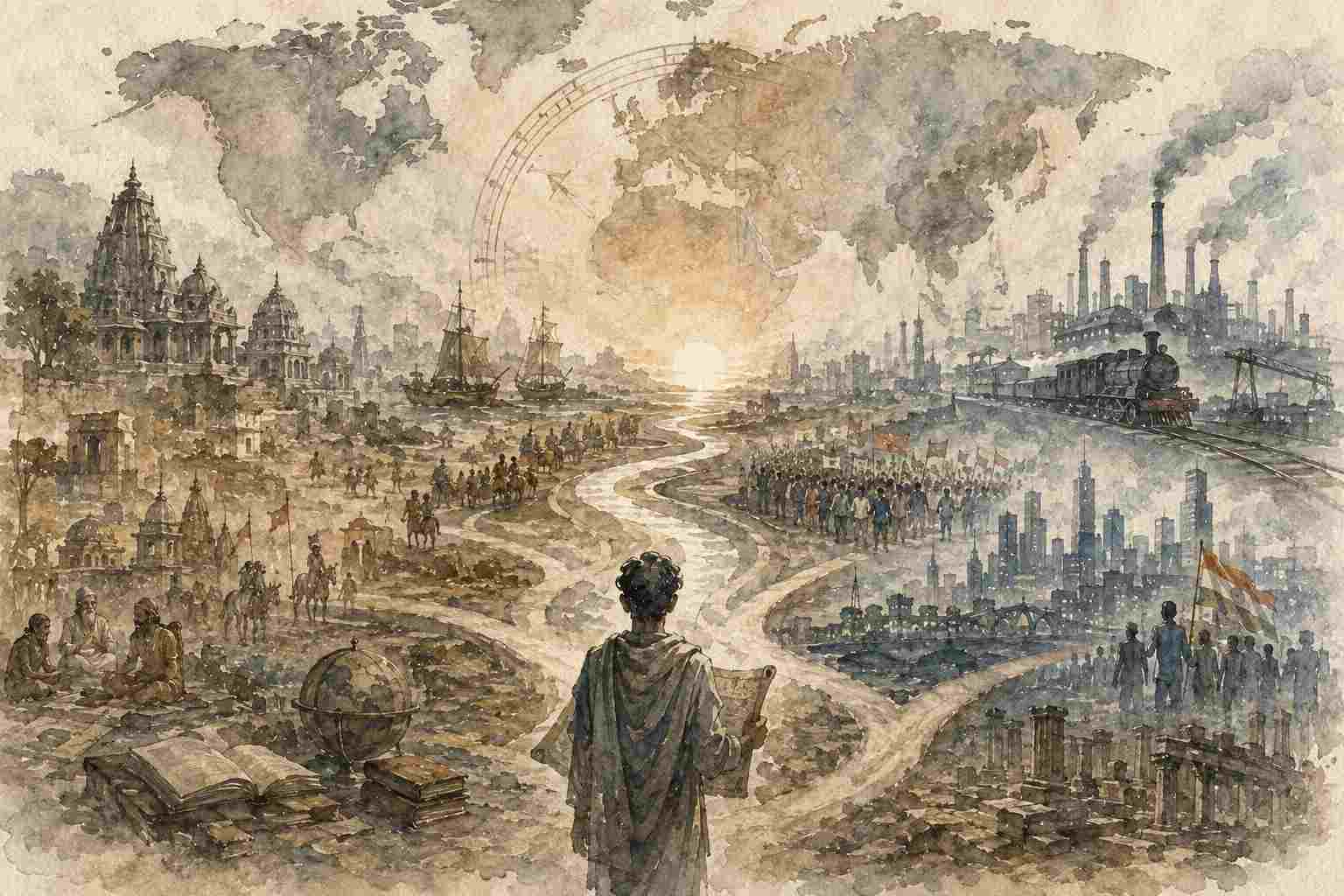
Beyond Ancient–Medieval–Modern
Beyond Ancient–Medieval–Modern
Aitihasik Drishti
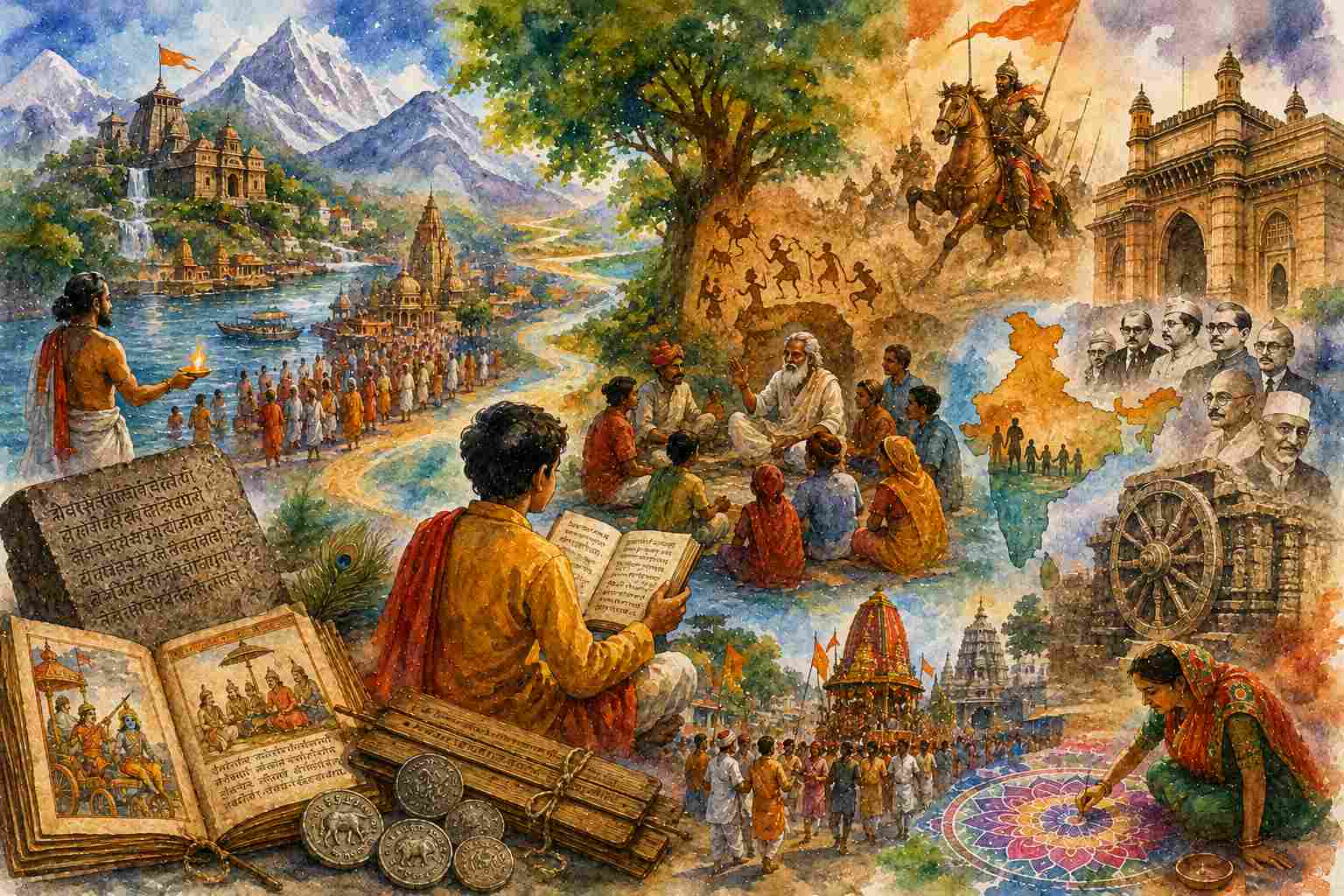
Smriti: History, Memory and Civilizational Consciousness
Smriti: History, Memory and Civilizational Consciousness
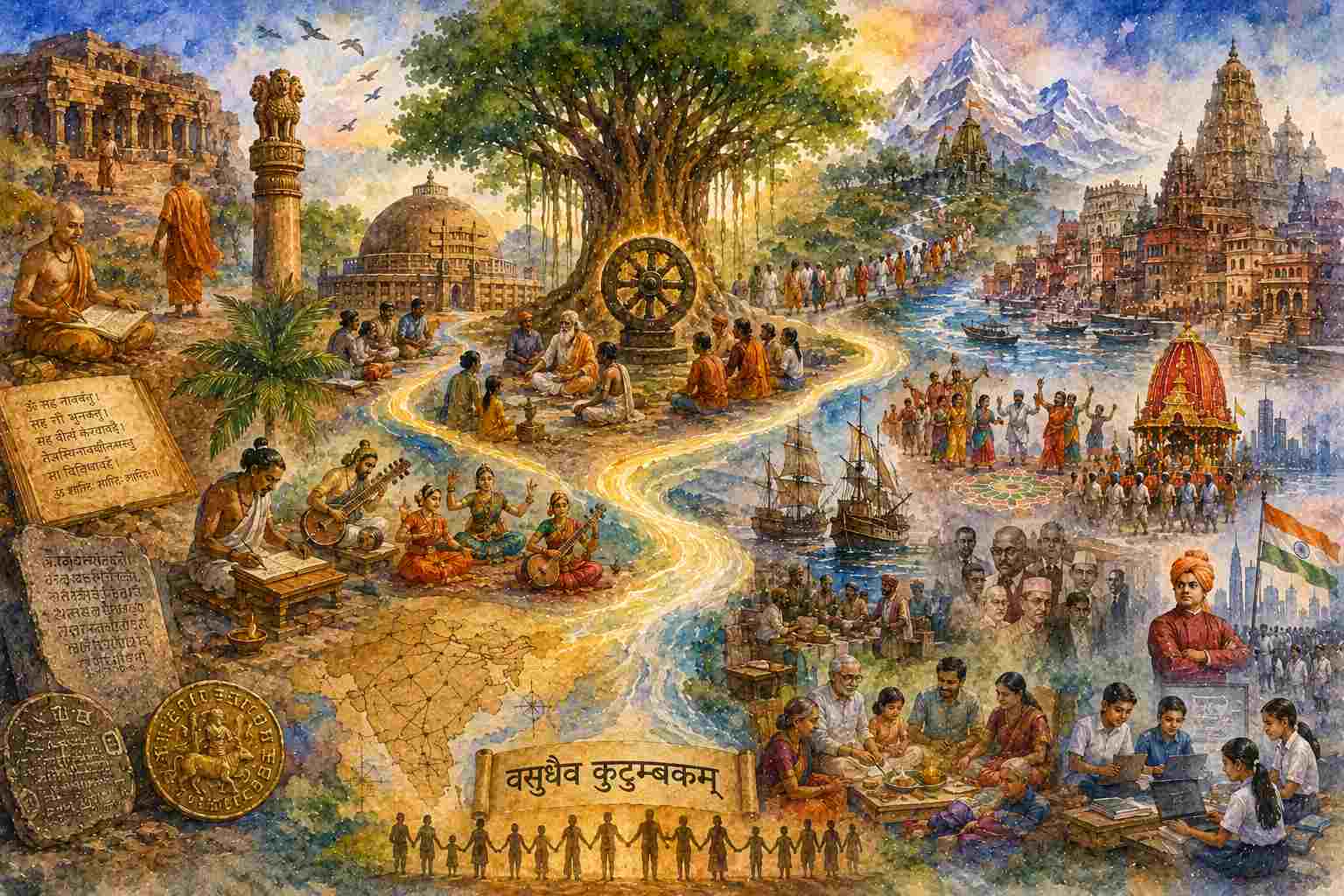
Continuity: Why Do Civilizations Survive?
Continuity: Why Do Civilizations Survive?
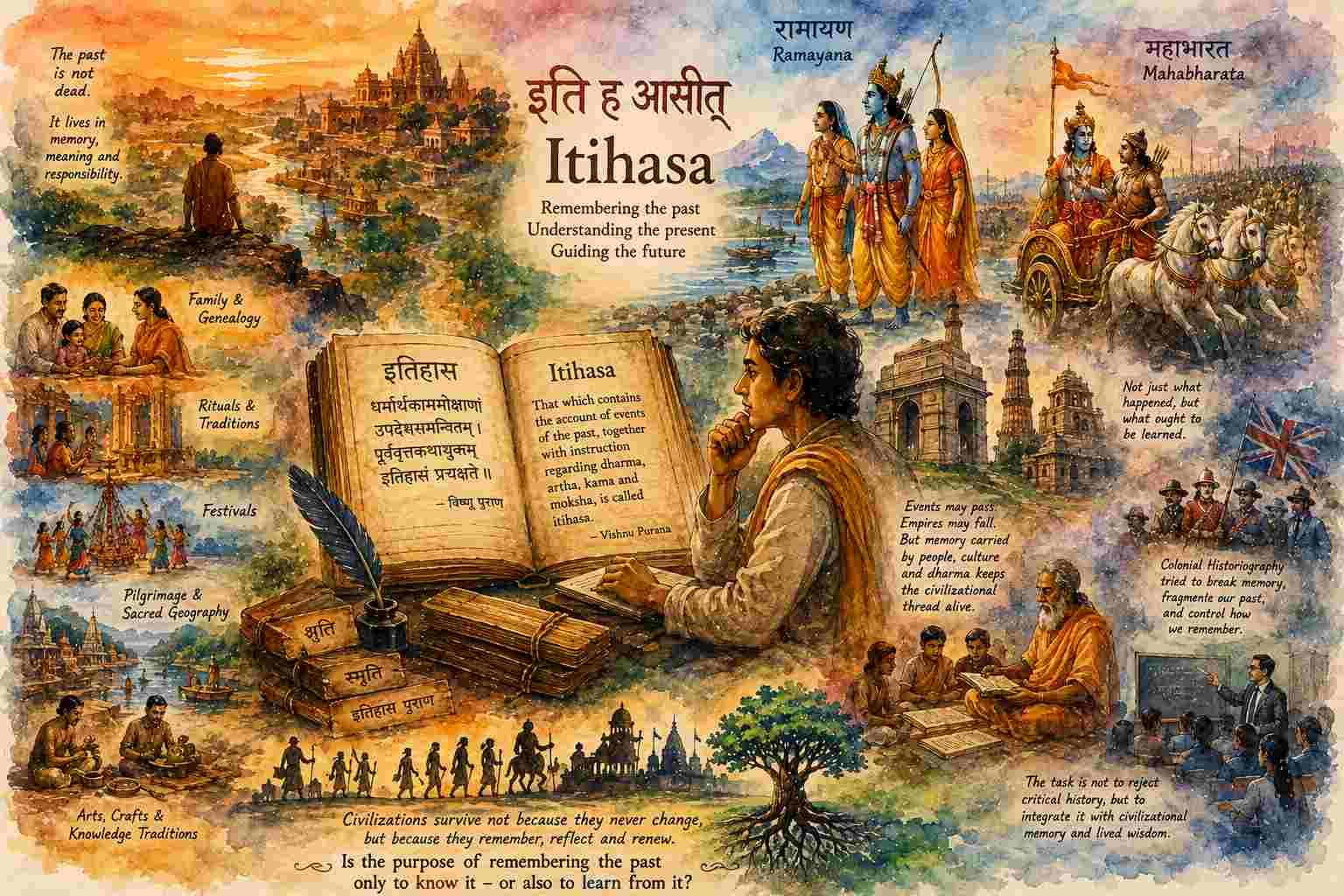
Itihasa: What Does It Mean to Remember the Past?