
Anthropology is the study of human beings, their societies, cultures, relationships, institutions, beliefs, practices, and ways of adapting to their environments across time and space. It seeks to understand humanity not merely as individuals, but as members of diverse communities shaped by history, culture, ecology, knowledge, and social relationships. An Indic approach to anthropology further asks how human life, community, identity, duty, kinship, tradition, and social order have been understood within Bharatiya civilizational experience, while engaging critically with both classical sources and contemporary field realities.
Anthropology
Interrogating Anthropology
1. What exactly are we teaching as “Anthropology” today? Syllabus and analysis of school-level social studies, BA/BSc Anthropology, MA/MSc Anthropology and major anthropological subfields
2. Whose theories are we using to understand human beings and society? Indian Anthropological Theories and Frameworks, Western Anthropological Theories and Frameworks
3. Whose thinkers are we reading? Indic Anthropologists and Thinkers, Western Anthropologists and Thinkers
4. What are the sources of our anthropological knowledge? Indian Sources of Anthropological Knowledge, Western Sources of Anthropological Knowledge
5. Whose societies and cultures are we studying? Indian Communities, Cultures and Civilizational Experiences, Western Communities, Cultures and Social Experiences
6. How are we studying human beings and society? Indian Approaches to Understanding Society, Western Anthropological Methods and Approaches
Decolonizing Anthropology
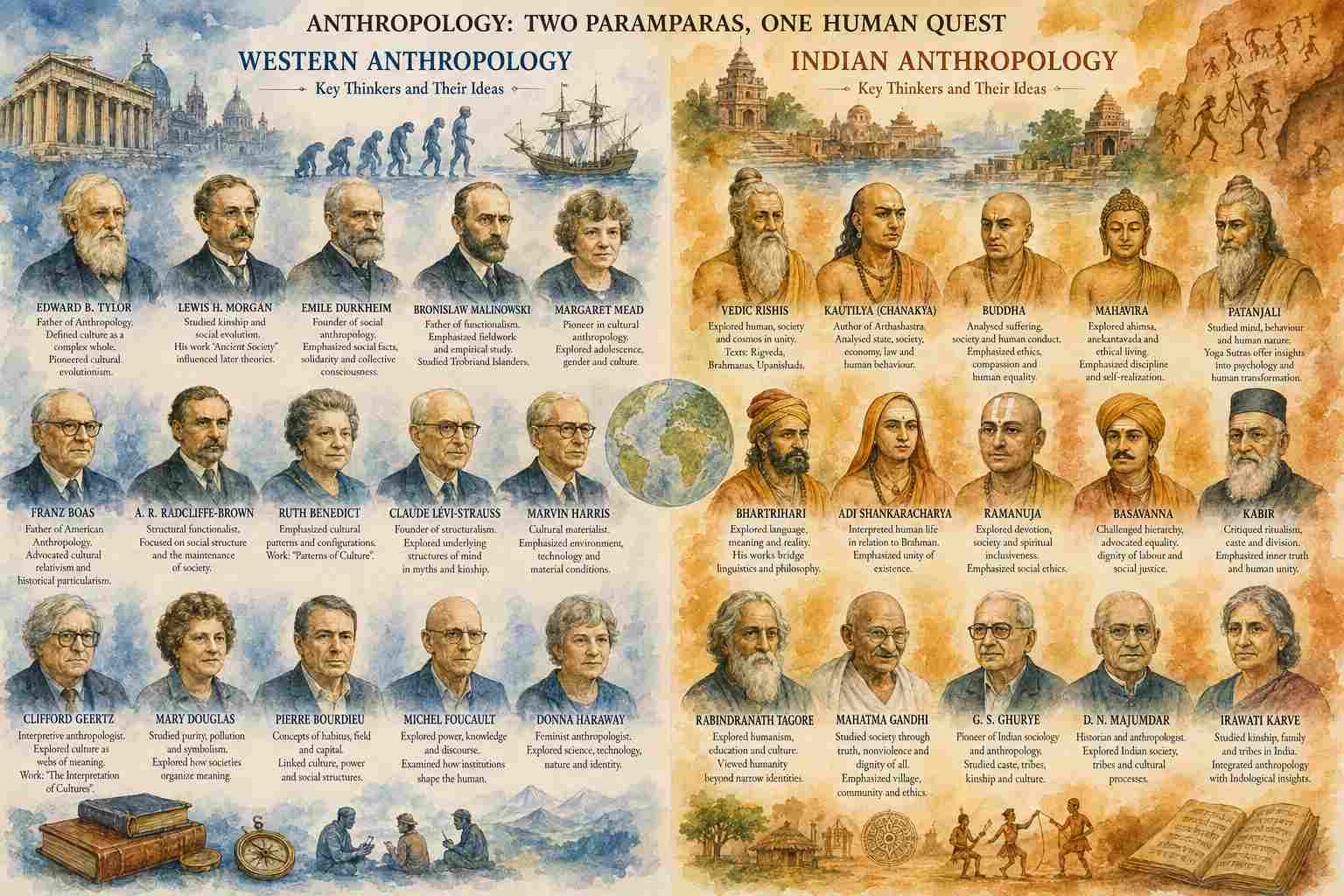
Westernized Anthropologists and Thinkers
Westernized Anthropologists and Thinkers
Indic Anthropologist and Thinkers
Indic Anthropologist and Thinkers
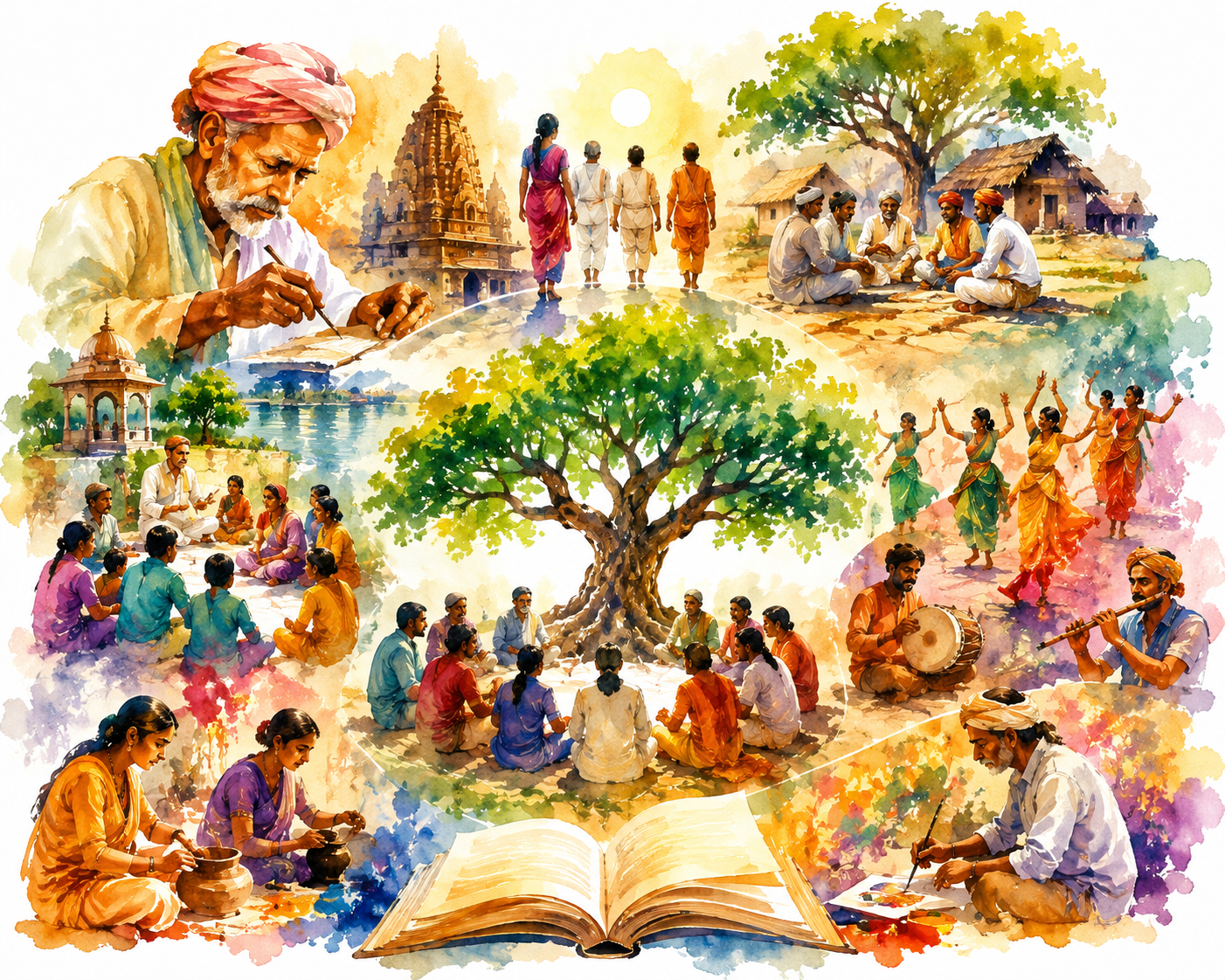
Beyond the Textbook: What Counts as Anthropological Knowledge?
Beyond the Textbook: What Counts as Anthropological Knowledge?
Anthropological Drishti
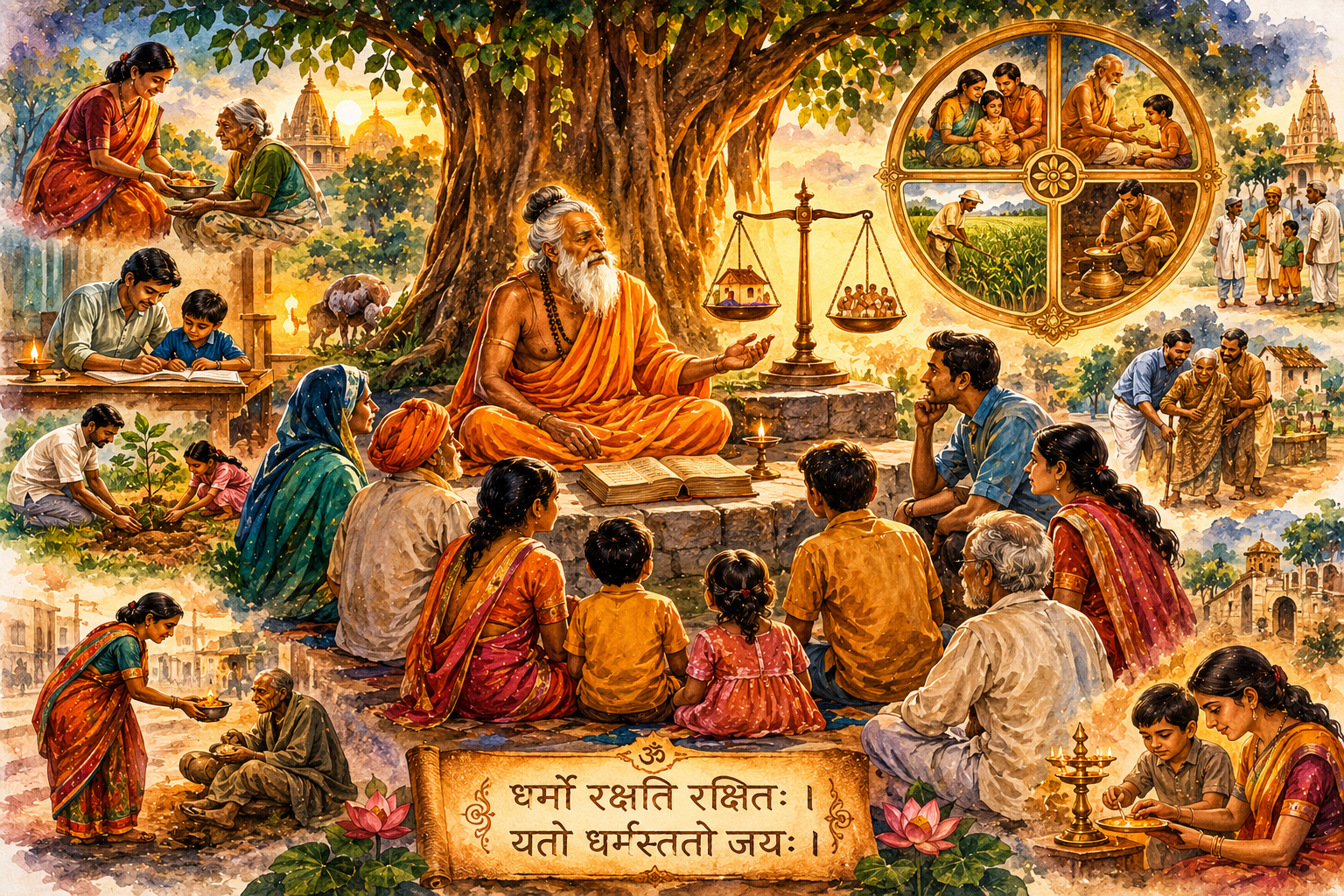
Dharma and the Anthropology of Social Order
Dharma and the Anthropology of Social Order
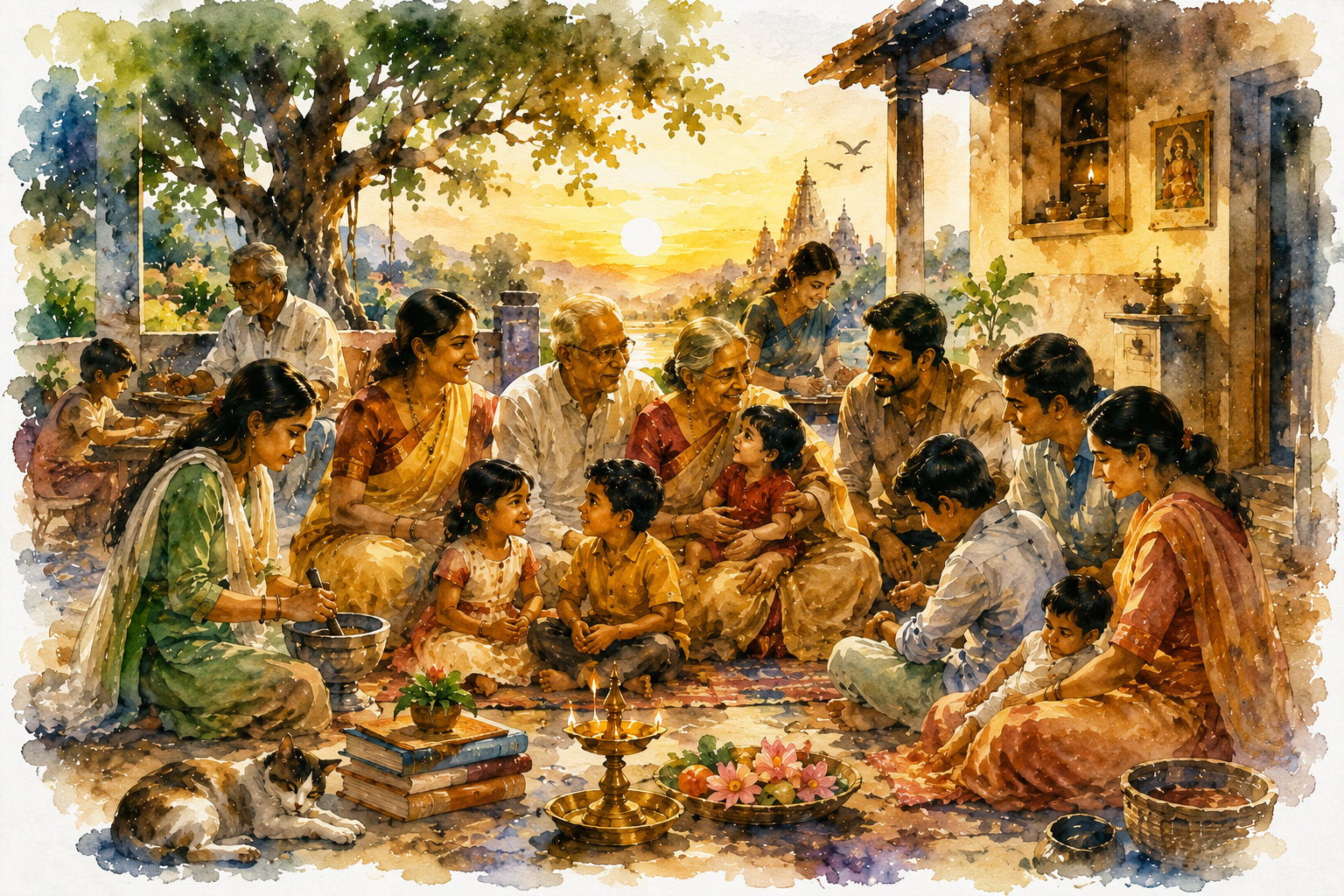
Kutumba: An Anthropology of the Relational Self
Kutumba: An Anthropology of the Relational Self
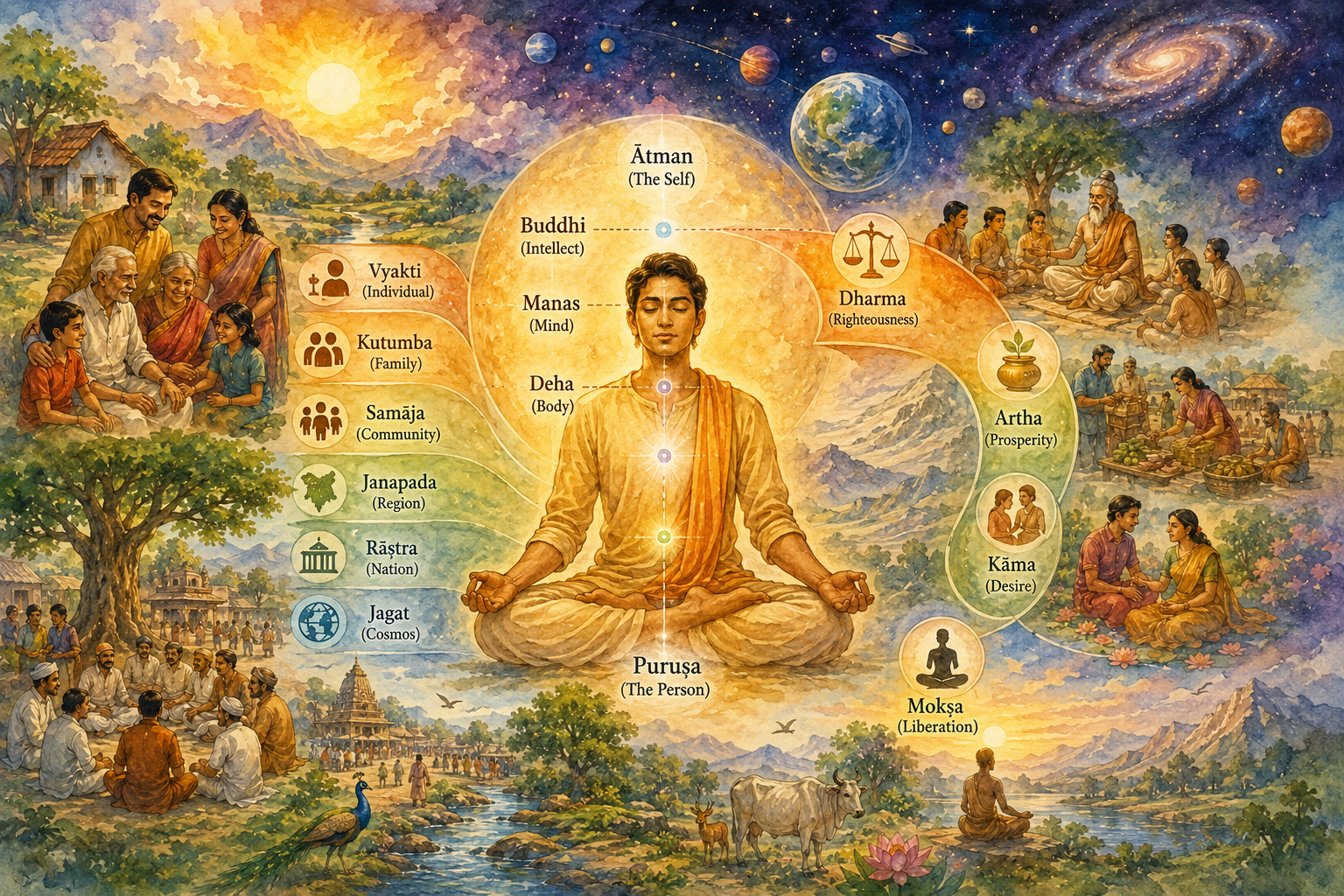
What Is a Human Being?