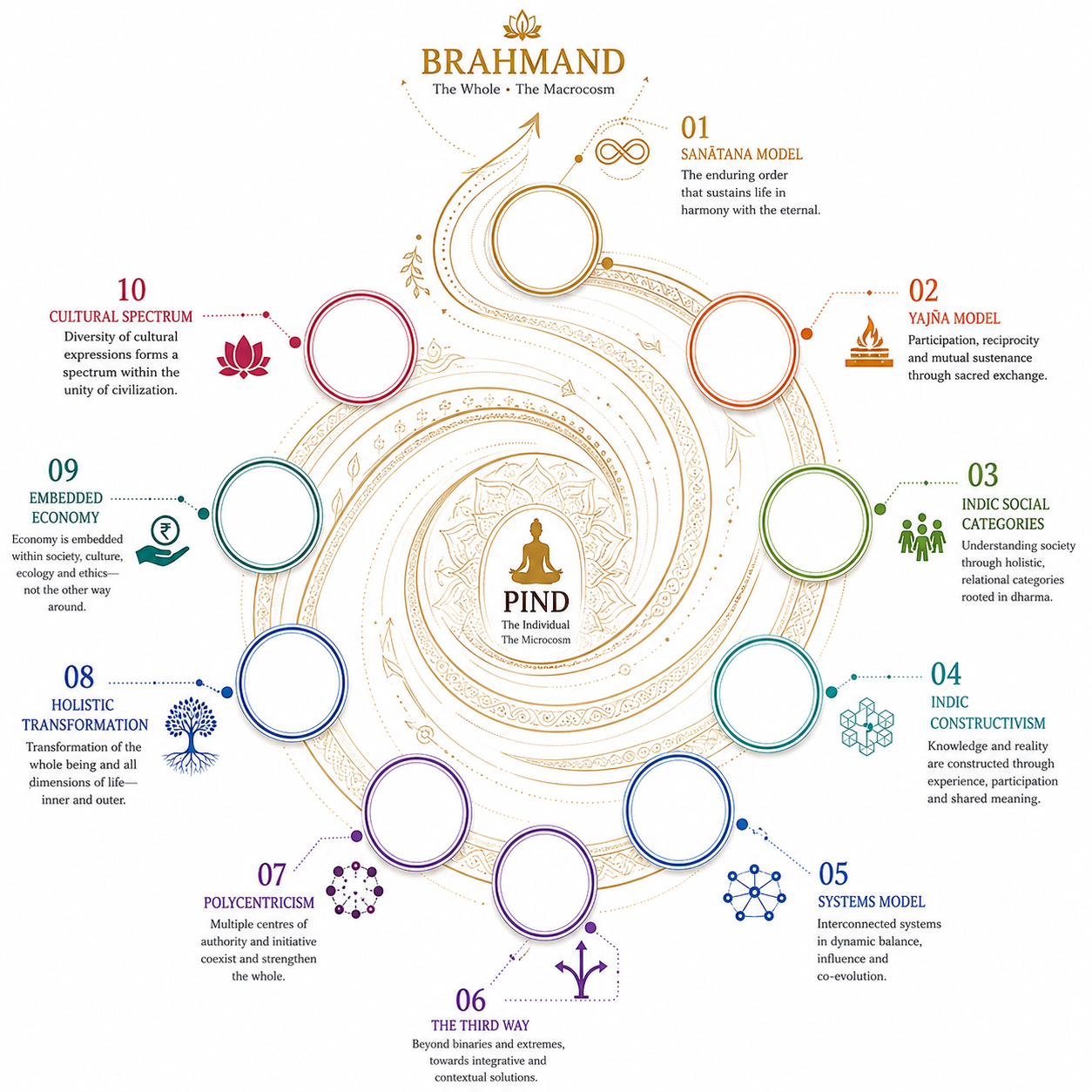
Can civilizations be dissected into economy, polity, society, religion, and culture as independent compartments? Or does such fragmentation miss the deeper web of relationships through which civilizations actually live, evolve, and sustain themselves? Does the governance of an individual operate by the same logic as the governance of a family, a community, an institution, or a nation? Indic thought often approached these as interconnected layers of a larger civilizational whole rather than isolated units of analysis.
Indic Frameworks
Indic Frameworks are ways of understanding society, politics, economy, culture and human life through concepts and categories that emerge from India’s own civilizational traditions and experiences, rather than viewing India only through frameworks developed elsewhere.
Civilizational Studies
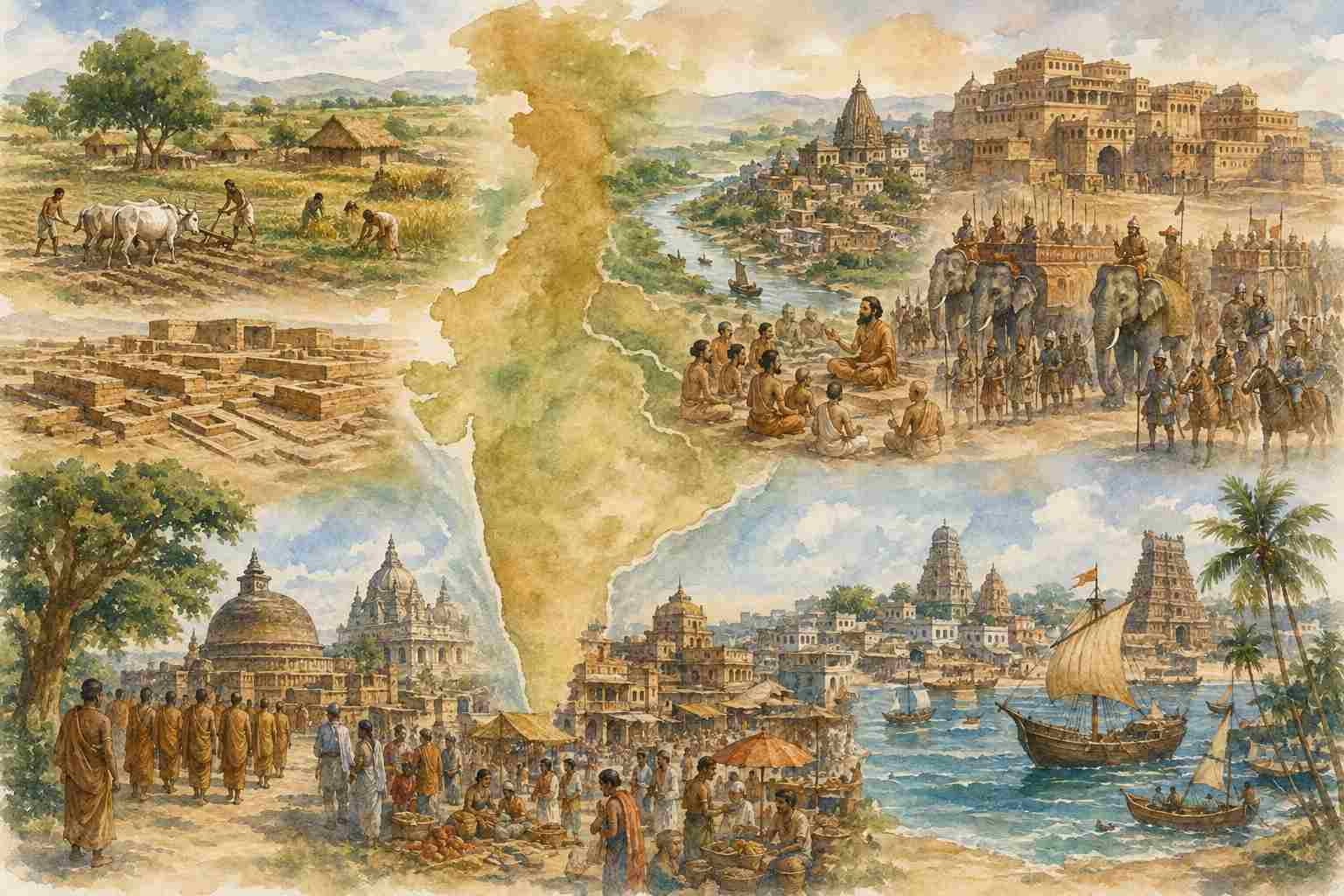
Civilizational Studies examines how societies and civilizations rise, flourish, decline, and renew themselves through culture, institutions, ideas, narratives, and collective consciousness.
Civilizational Analytics
Population as a Civilizational Variable
Population as a Civilizational Variable
Rise & Fall of Civilizations
The Rise and Fall of Nations (Book Review)
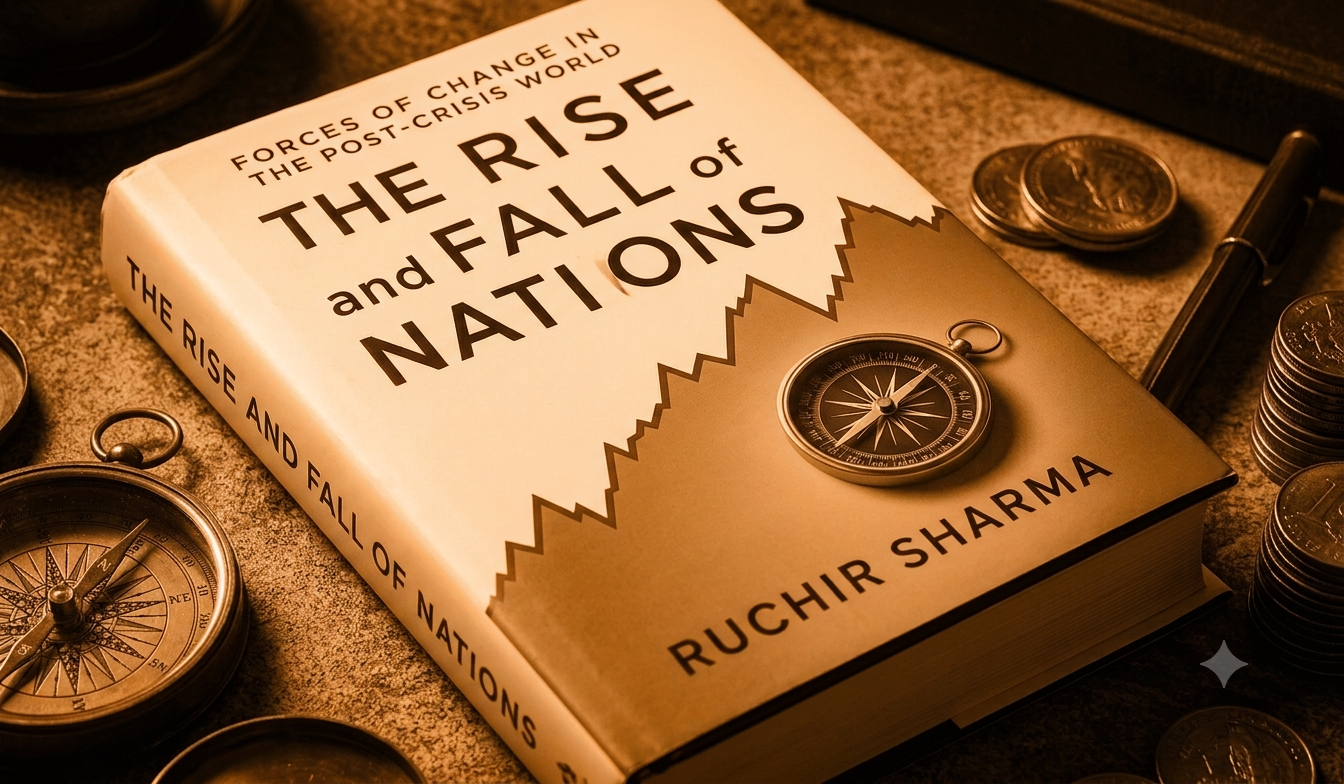
The Rise and Fall of Nations (Book Review)
Civilizational Drishti
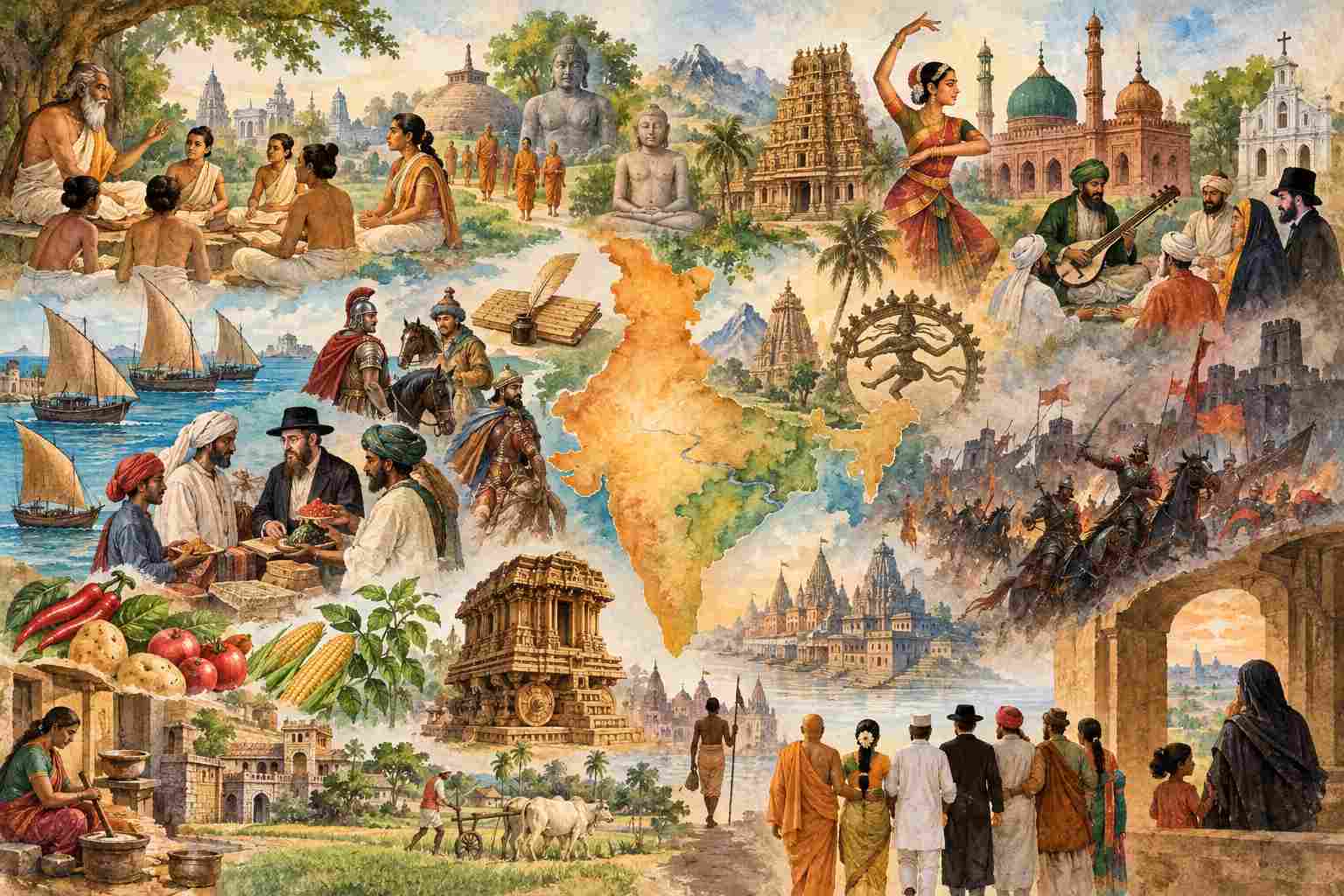
What If Bharat Had Actually Been an “Exclusive Society”?
What If Bharat Had Actually Been an “Exclusive Society”?
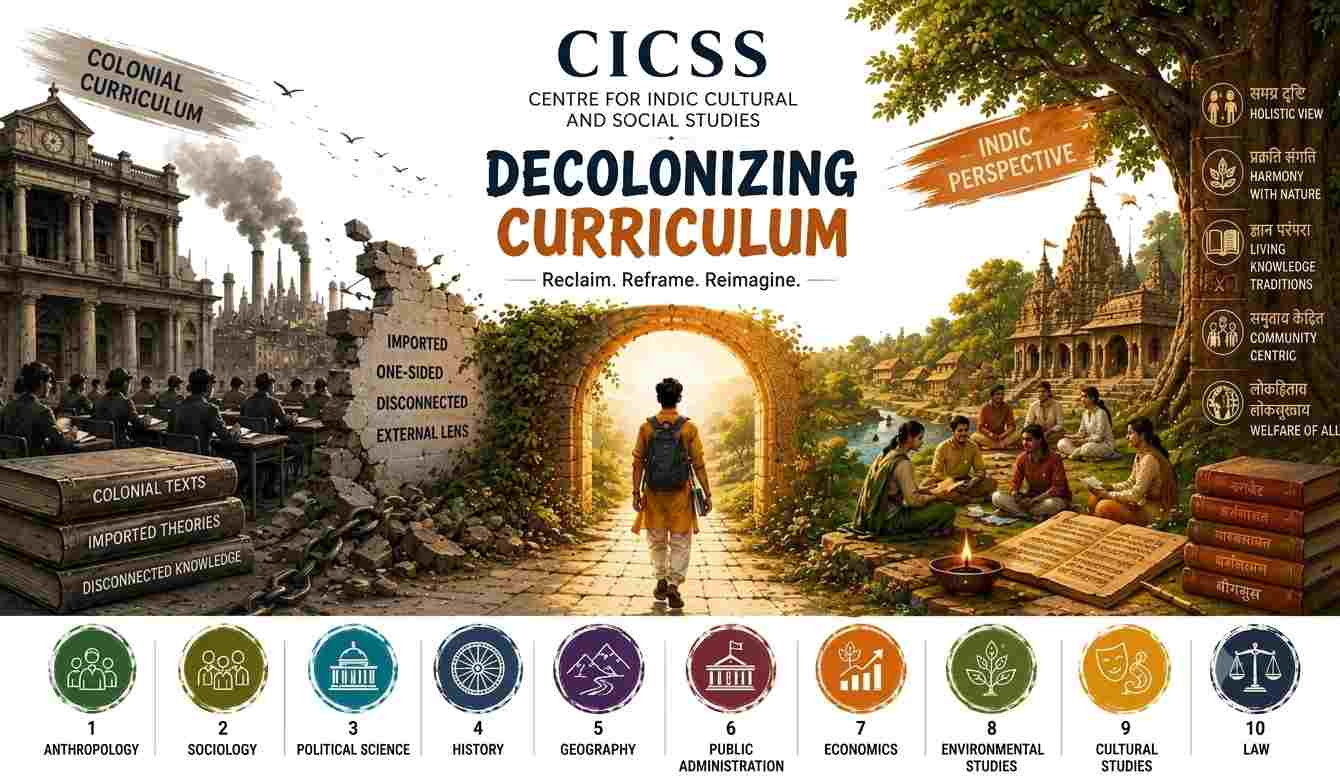
Decolonizing Curriculum
Decolonizing curriculum section studies and analyses the colonial influences within the Indian curriculum—what is taught, which perspectives are given priority, which Indian knowledge traditions and experiences have received limited space, and how the curriculum can be re-examined through Indian contexts, experiences and perspectives.
The Education We Have
What students learn often determines how they understand society, history, culture, governance, and themselves. This subsection critically examines existing curricula, their intellectual foundations, strengths, limitations, and the worldview they ultimately produce.
The Education We Need
Every civilization must periodically rethink what it teaches its next generation. This subsection develops alternative curricular frameworks that combine academic rigor, civilizational literacy, ethical reasoning, practical competence, and intellectual confidence for the challenges of the twenty-first century.
Our Initiatives
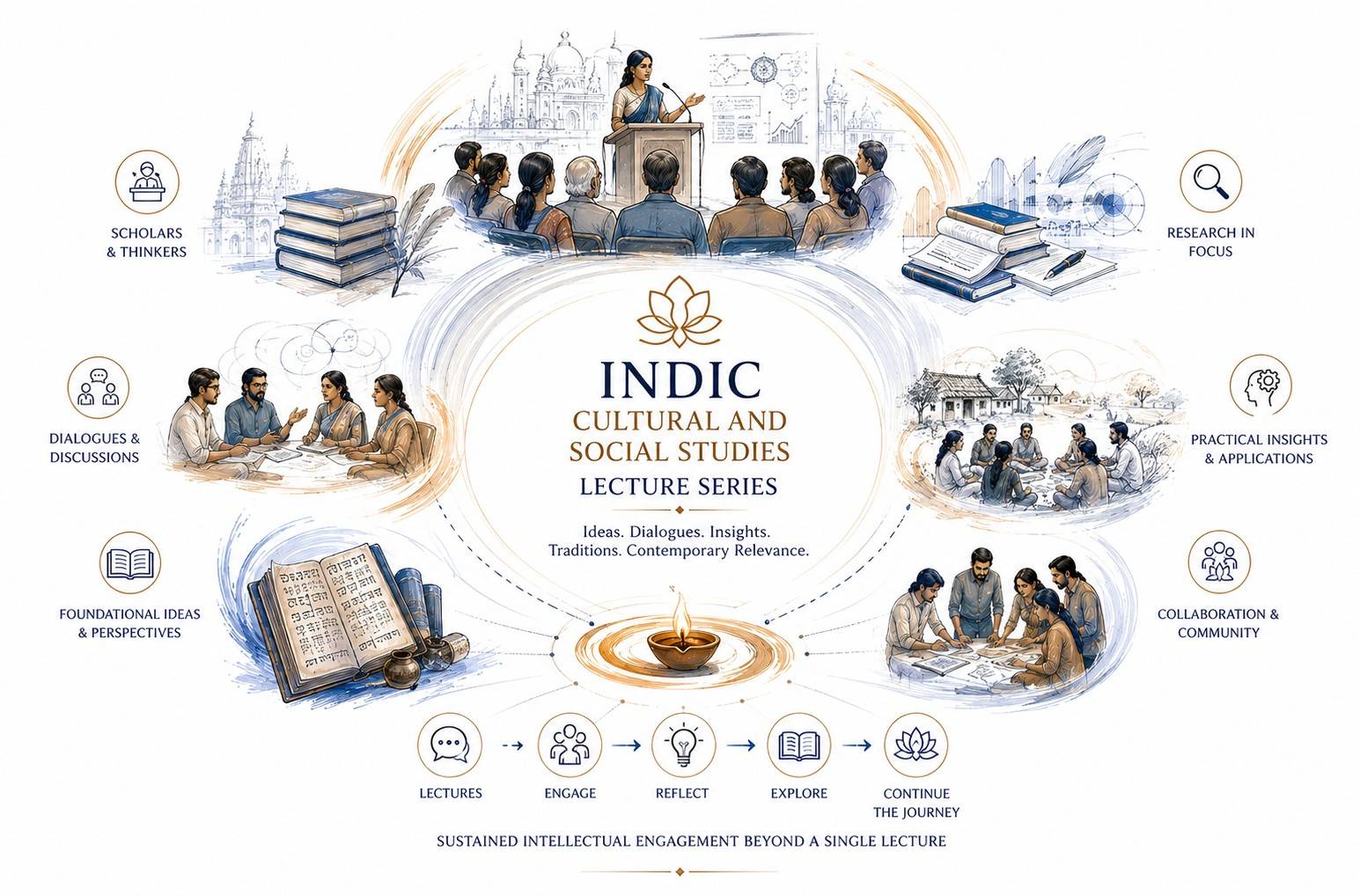
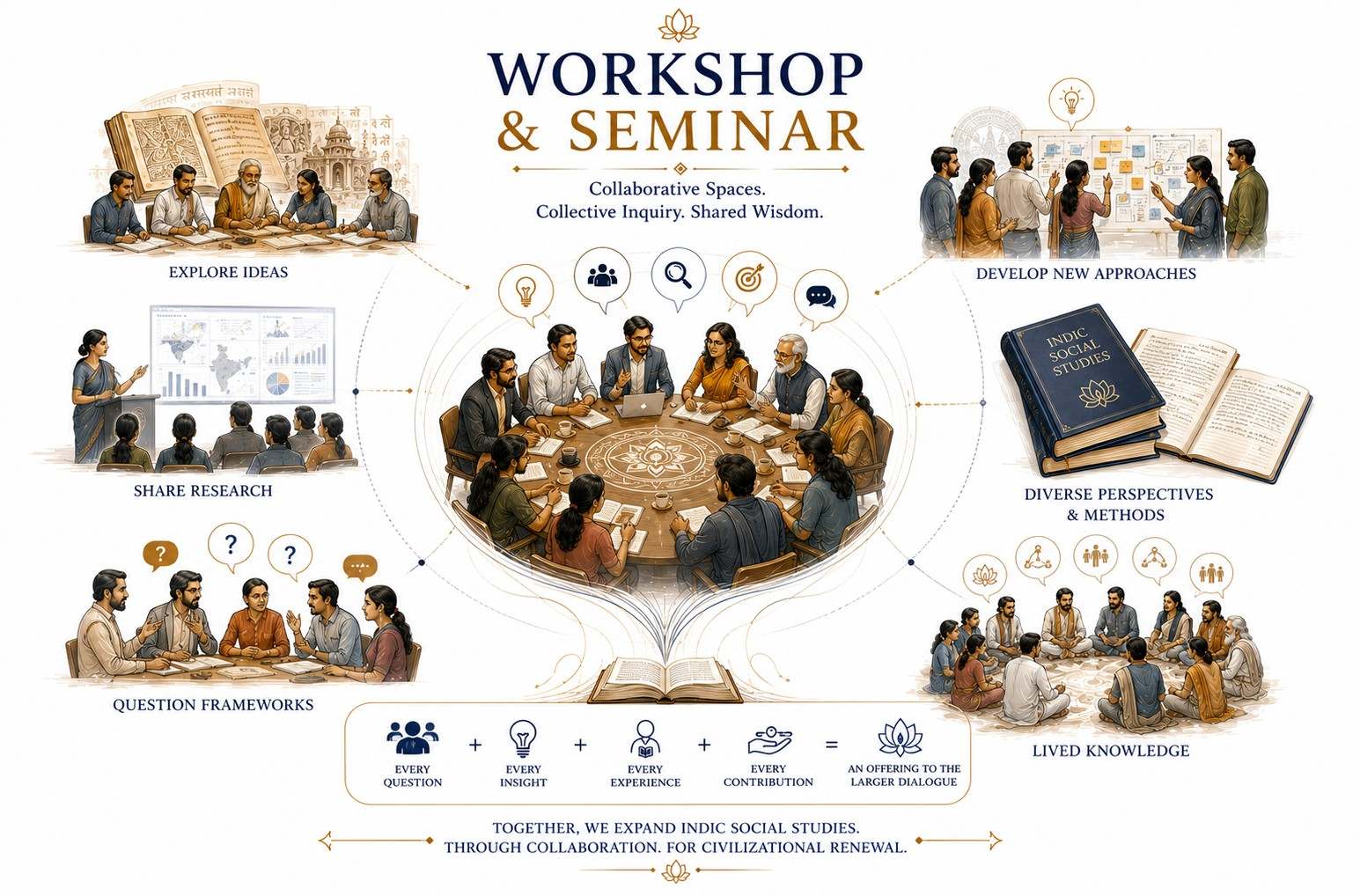
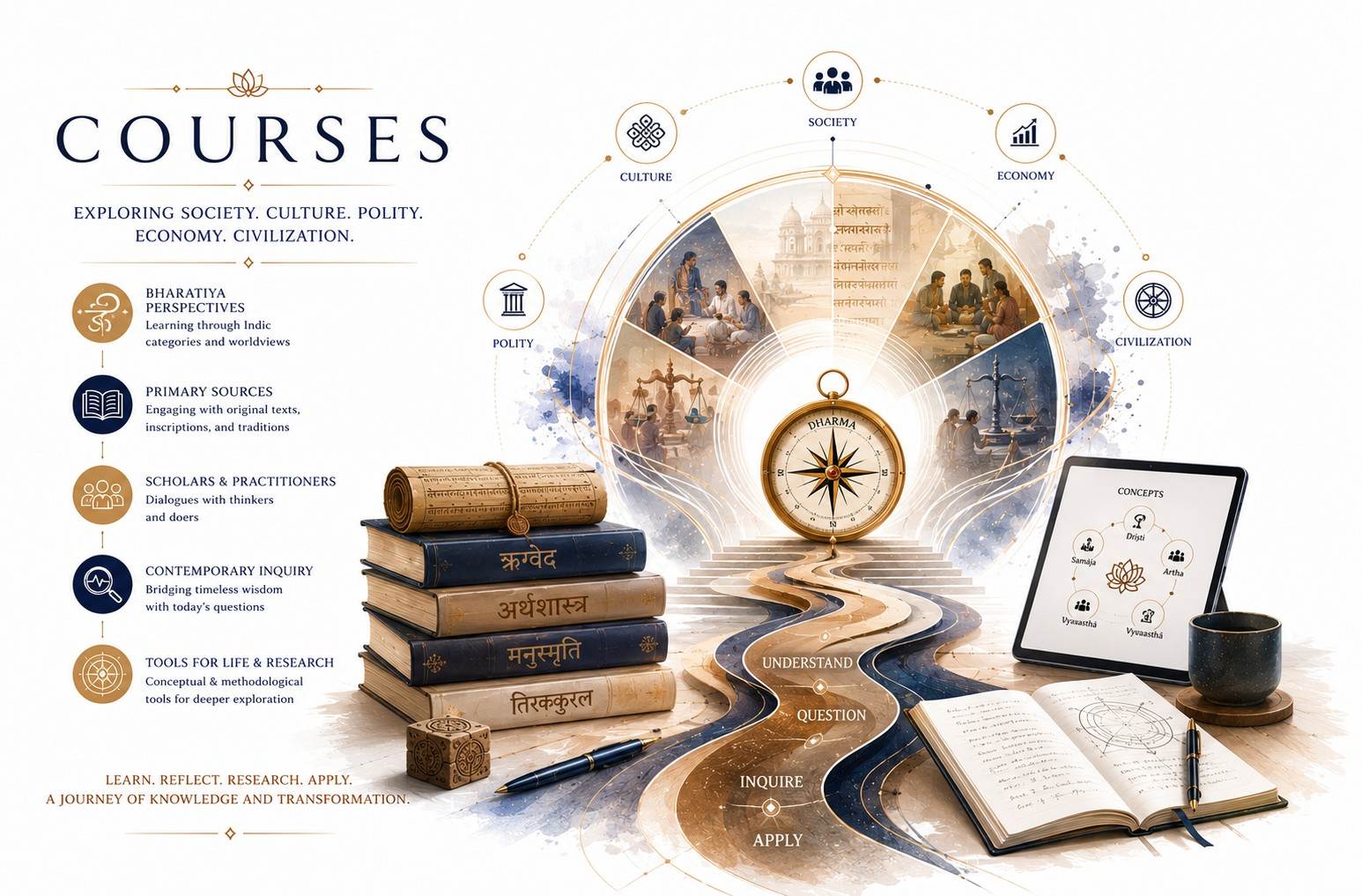
Our initiatives are designed to transform Indic civilizational knowledge into research, publications, curricula, public discourse, and intellectual frameworks for the twenty-first century.
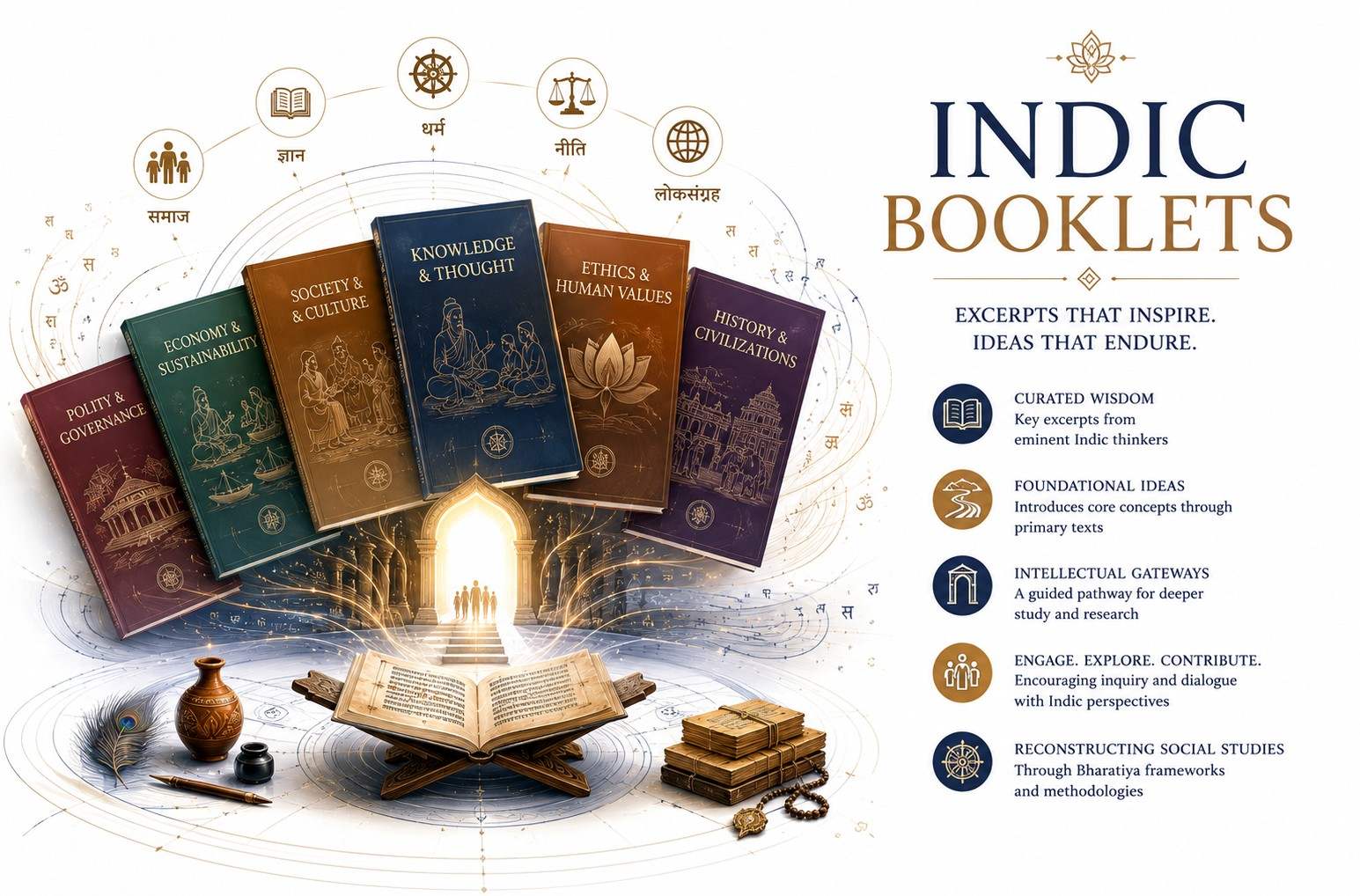
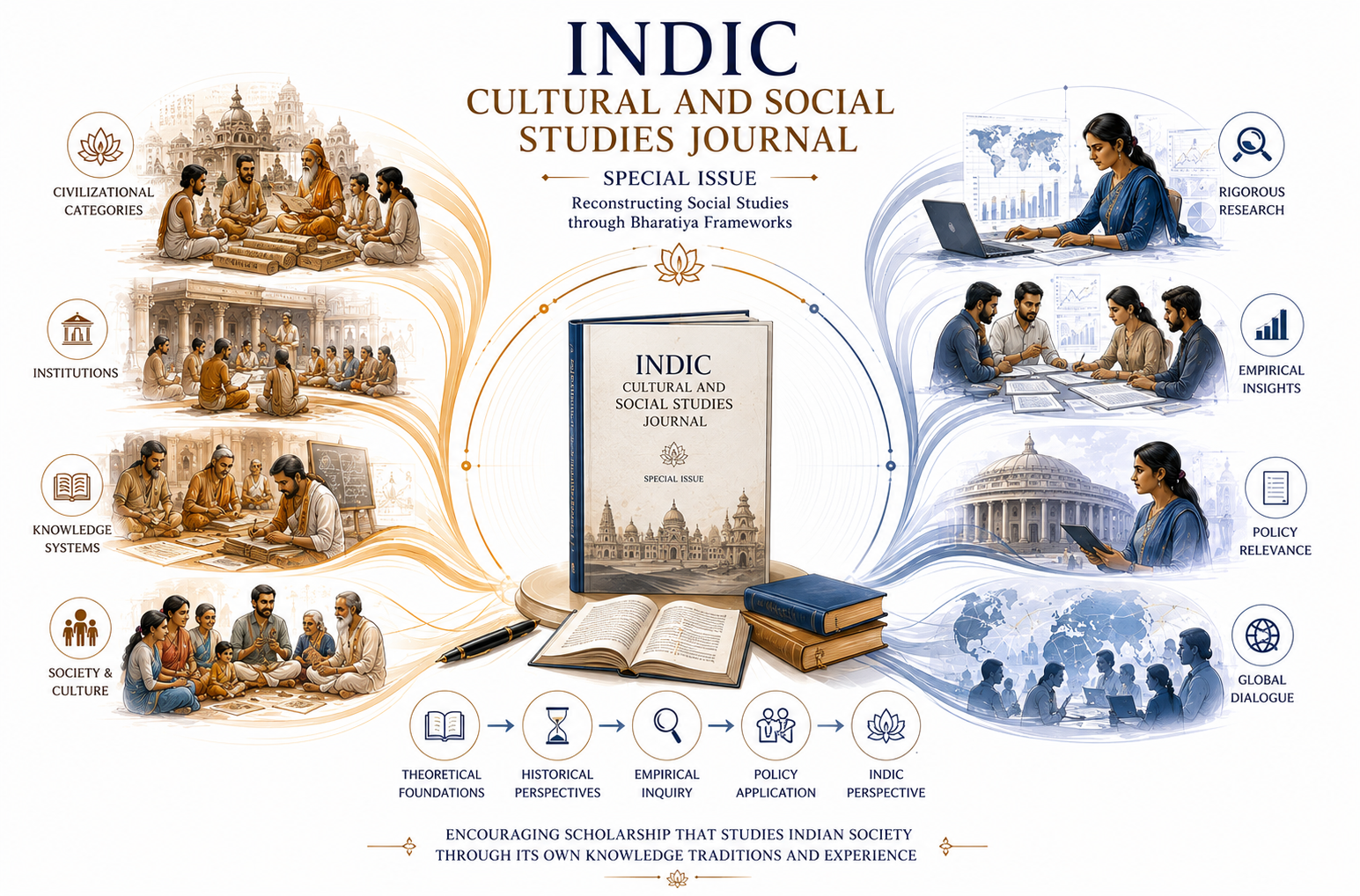
Insights
Ideas often outlive empires. Insights is a curated collection of quotations, reflections, and intellectual observations from thinkers across ages, offering timeless perspectives on society, culture, governance, identity, and civilization.
B. C. Pal (The Soul of India, pg. 75)
In sociology, the reactionary tries to revive the relaxing rigidities of the Indian caste-system in the spirit of the class domination of Europe; and, thereby, he ignores the patent fact that the genius of the Indian caste-system never tolerated this spirit of domination in the so-called higher, and…
Sri Aurobindo, The Renaissance in India
“India lives in her villages, in her ancient institutions, in her spiritual ideals, and in the continuity of her civilization.”
Radhakumud Mookerji, Local Government in Ancient India
The village community was the real unit of Indian polity and the enduring basis of social organization.
Nirmal Kumar Bose, The Structure of Hindu Society
Indian civilization has survived because it possessed the capacity to absorb diversity without losing its essential cultural framework.
K. P. Jayaswal, Hindu Polity
Ancient India knew republics, assemblies, constitutional restraints and traditions of public consultation.
Recommended Readings & Reviews
A curated collection of primary texts and secondary literature; reviews and excerpts designed to support rigorous scholarship in Indic Cultural and Social Studies.
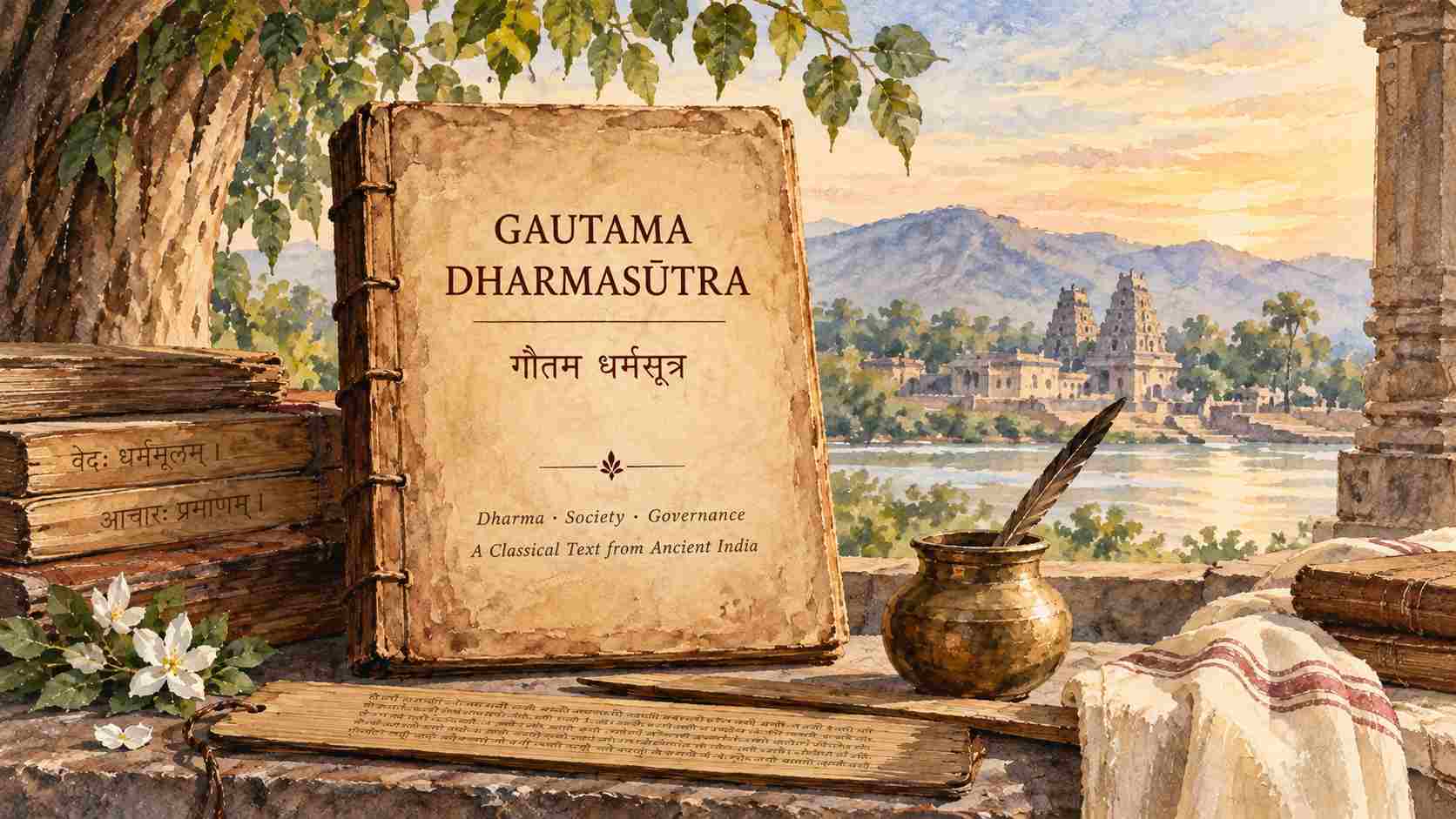
Gautama Dharmasūtra
Gautama Dharmasūtra
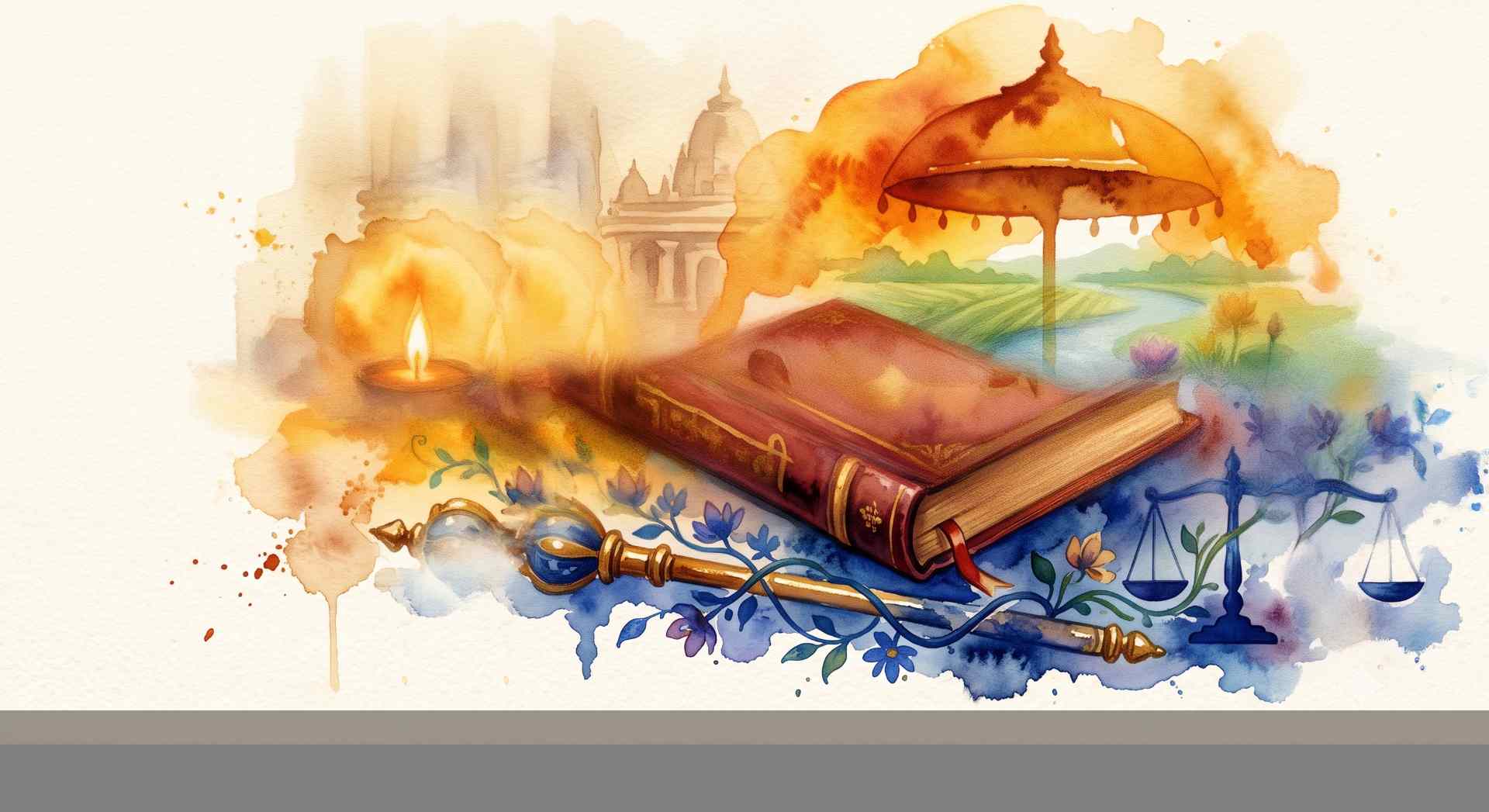
Nīlakaṇṭhī
Nīlakaṇṭhī
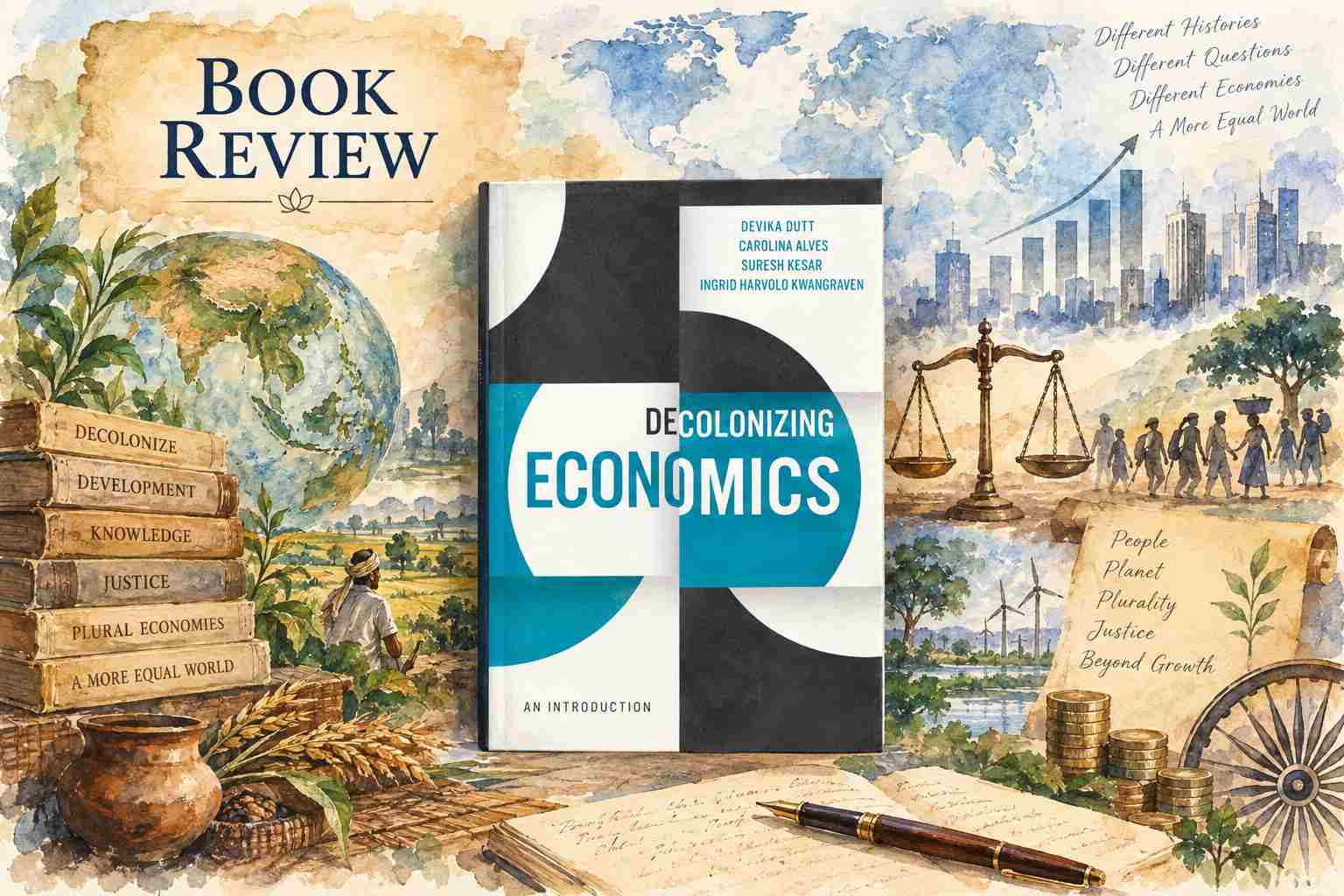
Decolonizing Economics: An Introduction (A Book Review)
Decolonizing Economics: An Introduction (A Book Review)
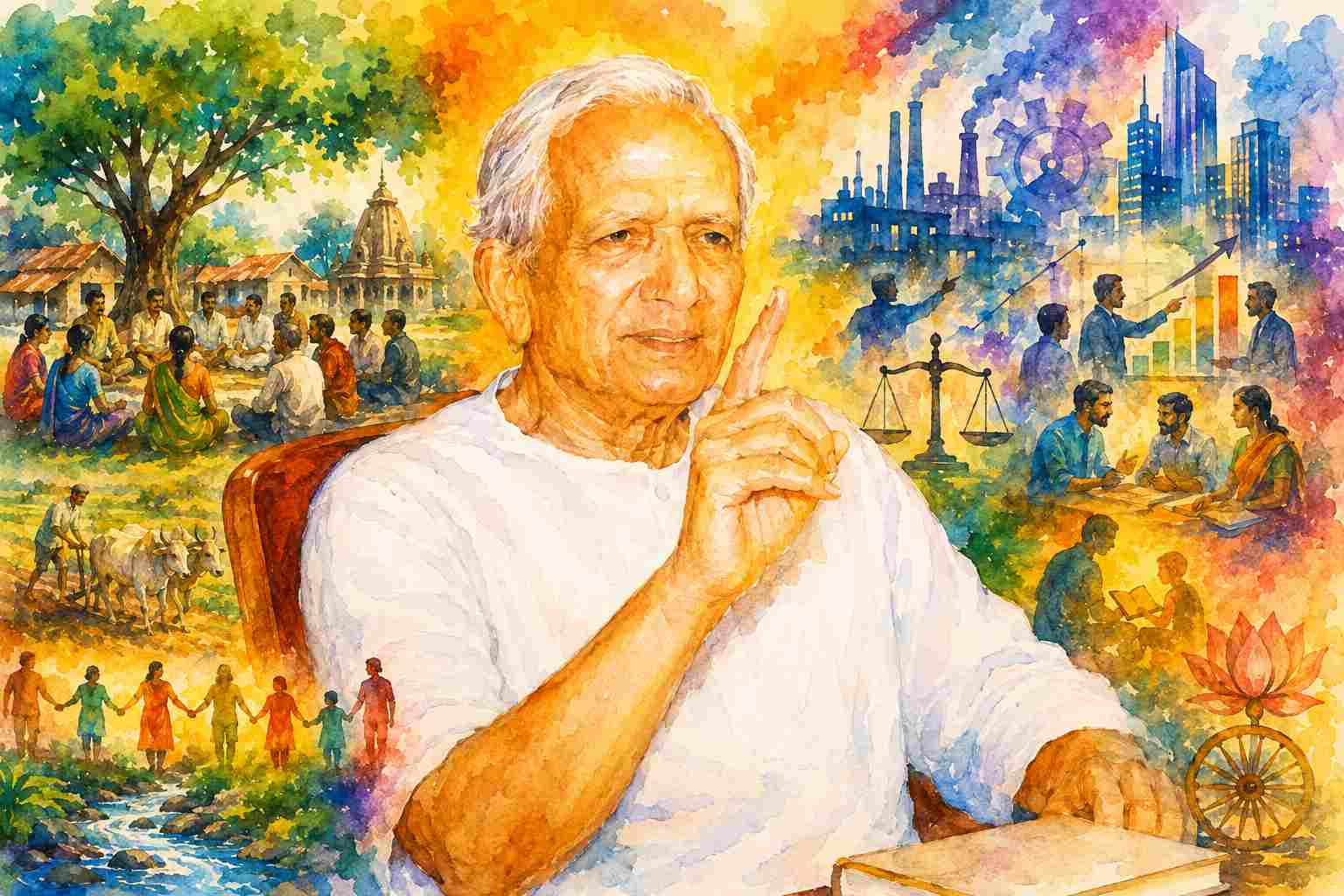
Dattopant Thengadi ji and ‘The Third Way’
Dattopant Thengadi ji and ‘The Third Way’
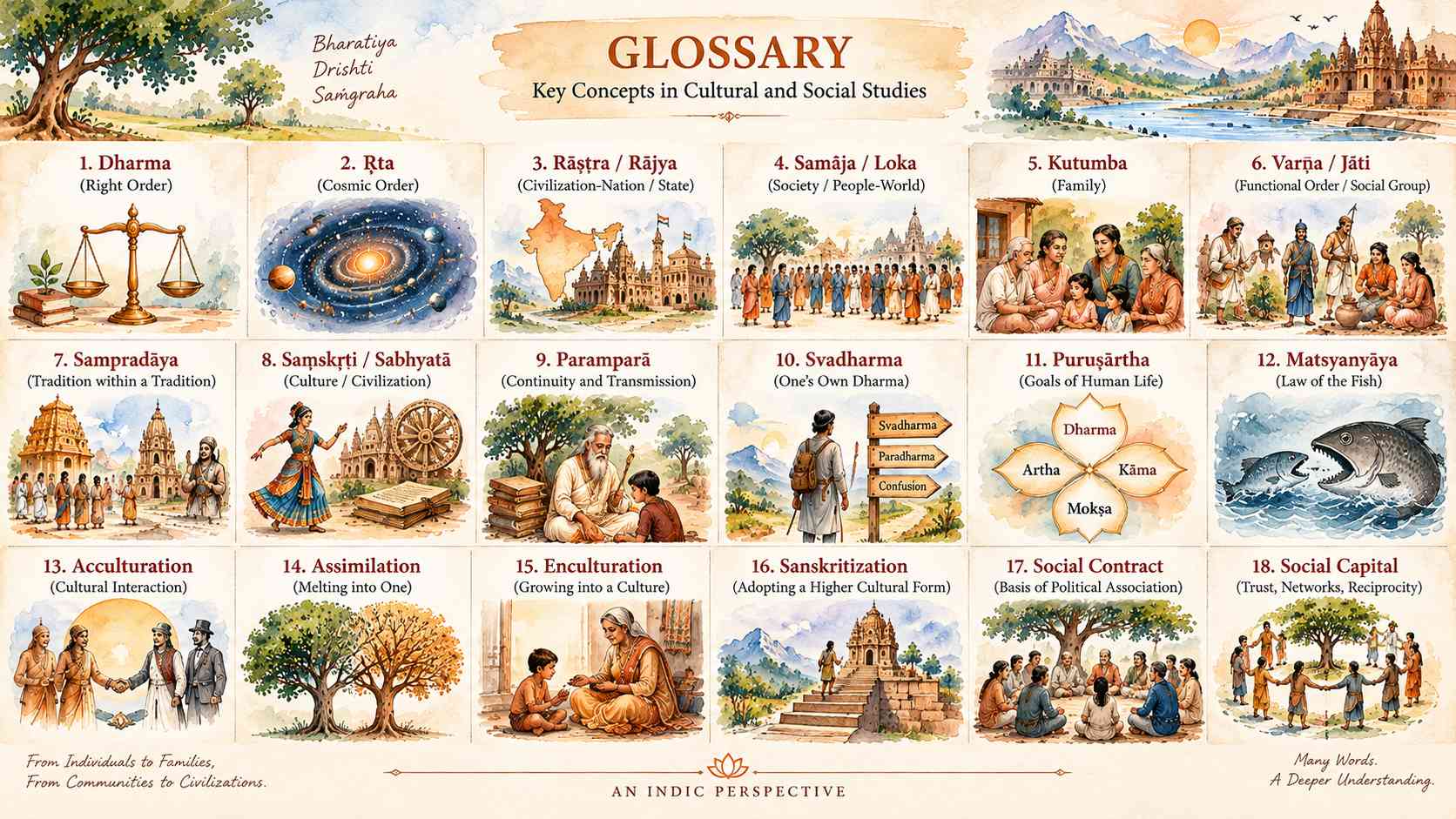
Glossary
The Glossary is designed to bridge language and understanding. It introduces readers to the vocabulary of Indian civilization—its social, cultural, political, economic, legal, and spiritual concepts—while tracing their meanings, evolution, and relevance across time.
Subscribe to our newsletter
Join a growing community of scholars, students, and seekers exploring Bharat through civilizational lenses. Receive research insights, publications, events, and thought-provoking reflections directly in your inbox.